
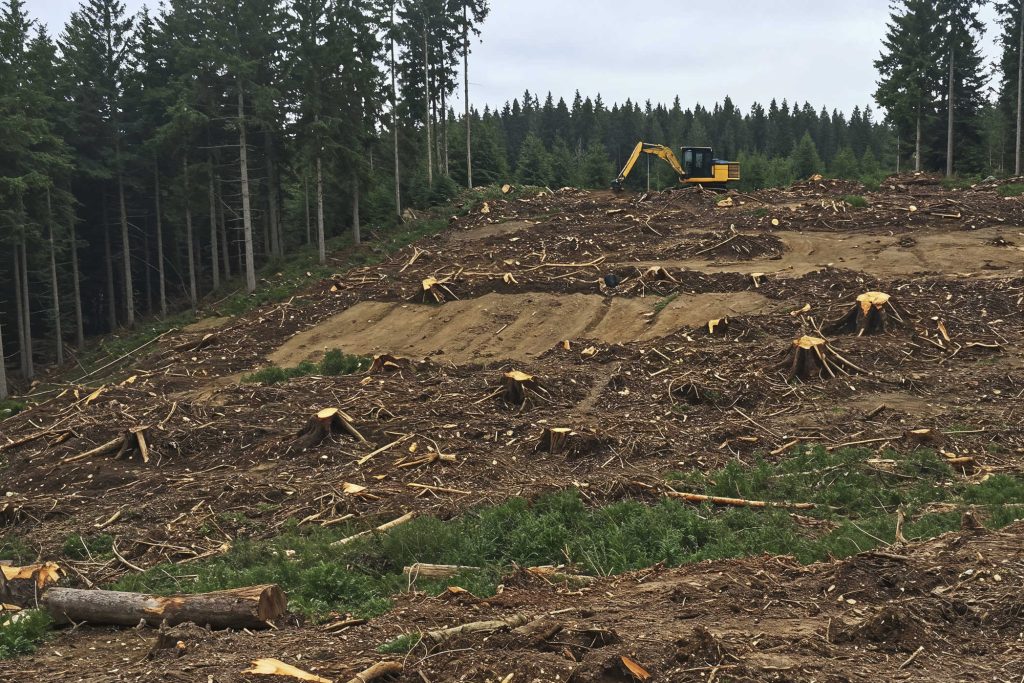
What Land Clearing Really Involves
Before any construction project can begin, the land must be properly prepared. Whether the property contains remnants of previous structures or natural barriers like trees, brush, or uneven terrain, these obstacles must be removed before grading or foundation work can start.
Land clearing is far more than cutting down trees or moving dirt. It includes removing excess materials, disposing of debris responsibly, flattening and leveling the ground, and ensuring the site is safe and ready for the next phase of construction. While the process can feel overwhelming, professional land clearing teams are equipped to handle every step efficiently.
Why Land Clearing Is Essential
Land clearing is the first major step in preparing a property for construction. It involves removing trees, vegetation, rocks, old buildings, and any other obstructions that stand in the way of development. This foundational work sets the stage for grading, drainage planning, and ultimately laying the foundation. Choosing an experienced land clearing team ensures the project begins on solid ground—literally and figuratively.
Key Hassles & Challenges
1. Equipment & Cost
- Heavy machinery such as bulldozers, excavators, and mulchers is expensive to purchase or rent.
- DIY attempts often become more costly due to equipment needs and potential mistakes.
2. Permits & Regulations
- Local laws, environmental rules, and required permits can slow down the process.
- Navigating compliance without expertise can lead to delays or fines.
3. Unexpected Obstacles
- Deep root systems (e.g., Wisteria), rocky soil, hidden debris, and muddy terrain can halt progress.
- These issues can damage equipment and require specialized handling.
4. Environmental Impact
- Clearing land can cause soil erosion, habitat disruption, and pollution if not managed properly.
- Responsible clearing requires planning to protect the surrounding environment.
5. Debris Management
- Trees, stumps, rocks, and demolished structures create large volumes of waste.
- Proper disposal, recycling, or processing is essential and often labor-intensive.
6. Weather Dependence
- Dry conditions are ideal for machinery and safe operation.
- Rain can turn a site into mud, delaying work and increasing costs.
7. Site Preparation Needs
- Clearing is only the beginning.
- The land must also be graded, leveled, and cleared of stumps and roots to support construction.
Why It Feels Like “Too Much”
Time
- Unpredictable obstacles make it difficult to build a precise timeline.
- Flexibility is required to adapt to changing site conditions.
Labor
- The work is physically demanding and requires skilled operators—not just general laborers.
Risk
- Heavy equipment and unstable terrain increase the risk of injury and property damage.
- Hiring insured, experienced contractors is essential for safety and liability protection.